

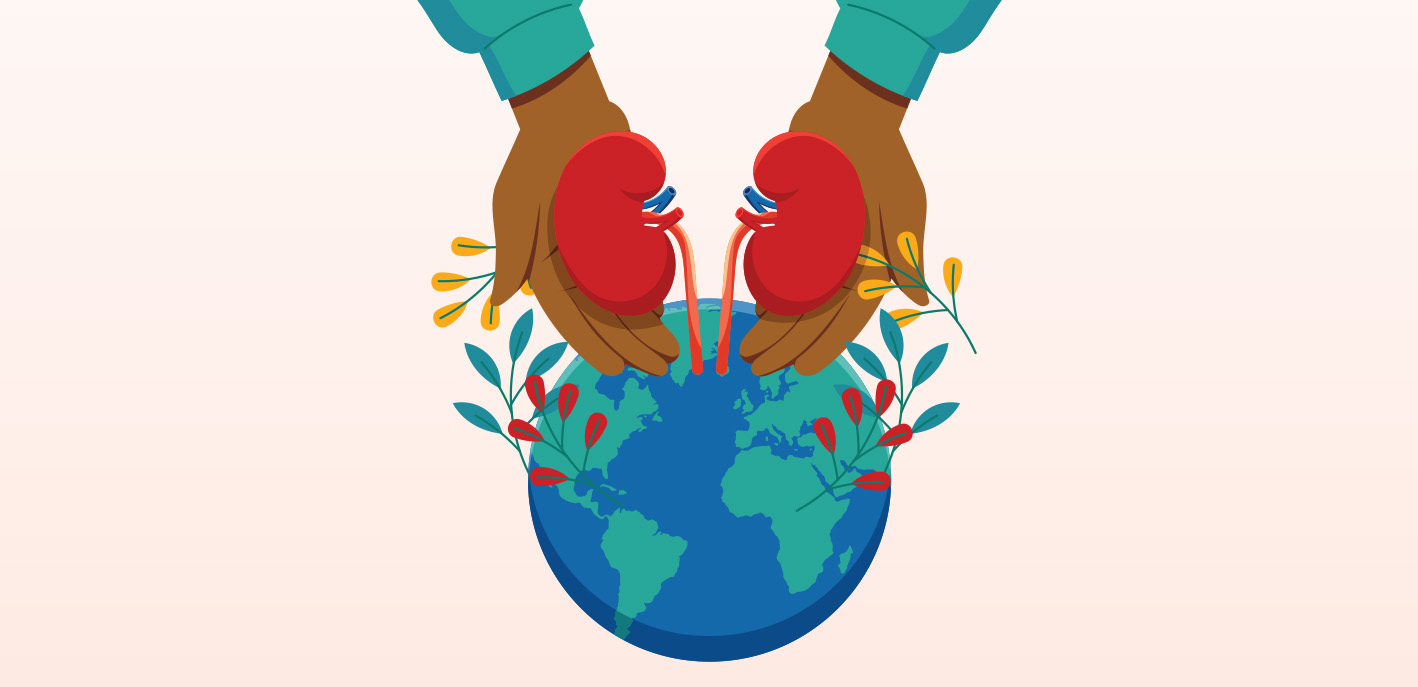
Protecting Your Kidneys and Supporting Organ Donation
A Focus on Kidney Health This August
Understanding Kidney Disease
Kidney disease is a serious health concern affecting millions of people worldwide. It occurs when the kidneys are damaged and can no longer filter waste products and excess fluids from the blood effectively. If left untreated, kidney disease can lead to kidney failure, a condition where the kidneys stop working completely and require dialysis or a kidney transplant.
Kidney disease often develops gradually and can go unnoticed in its early stages. That’s why it’s crucial to understand the risk factors, recognize symptoms, and take steps to protect kidney health.
Risk Factors for Kidney Disease
Several factors can increase your risk of developing kidney disease. These include:
High blood pressure (Hypertension)
This is one of the leading causes of kidney disease. It can damage blood vessels in the kidneys, impairing their ability to function.
Diabetes
High blood sugar can damage kidney tissues over time, leading to diabetic nephropathy, a common cause of kidney failure.
Family history of kidney disease
If you have a family member with kidney disease, you are at a higher risk.
Obesity
Excess weight can increase the likelihood of developing conditions like hypertension and diabetes, which in turn raise the risk of kidney disease.
Age
Kidney function naturally declines with age, and people over 60 are more likely to experience kidney problems.
Smoking
Smoking can damage blood vessels, which is detrimental to kidney health.
Protecting Your Kidneys
The good news is that kidney disease is preventable. Here are some ways you can protect your kidneys:
- Maintain Healthy Blood Pressure
Monitor your blood pressure regularly and aim to keep it below 140/90 mmHg. If you have high blood pressure, follow your doctor’s recommendations to manage it. - Control Your Blood Sugar
If you have diabetes, managing your blood sugar levels is essential. Keep your HbA1c levels within the target range set by your healthcare provider. - Stay Hydrated
Drink plenty of water throughout the day to help your kidneys flush out toxins. - Eat a Balanced Diet
A kidney-friendly diet includes limiting salt, eating fruits and vegetables, and avoiding excessive protein intake. This can help reduce the strain on your kidneys. - Exercise Regularly
Physical activity helps control blood pressure, weight, and blood sugar, all of which are important for kidney health. - Avoid Smoking and Excessive Alcohol
Both smoking and excessive alcohol consumption can harm the kidneys and overall health.
Did you know?
The Professional Nurses at the Family Wellness Centre are available to assist with any questions you may have about kidney disease and to help you reduce your risk. If you haven’t had your annual Health Assessment at the Family Wellness Centre yet,
please book an appointment with the Scheme’s Professional Nurses by calling 086 000 2101. Additionally, if you are on chronic medication, ensure you undergo your chronic pathology blood tests at least once a year.
Signs of Kidney Problems
Kidney disease may not show noticeable symptoms until it has progressed significantly. However, early signs can include:
- Swelling in your legs, ankles, or feet
- Frequent urination or changes in urine appearance
- Fatigue or weakness
- Shortness of breath
- Nausea or vomiting
- Unexplained pain in the lower back or side
If you experience any of these symptoms, it’s important to consult your doctor as early detection can prevent further damage.
Organ Donation Month The Gift of Life
August is Organ Donation Month, a time to raise awareness about the importance of organ donation. The decision to become an organ donor can save lives, and it’s especially critical for those in need of a kidney transplant.
Why Kidney Donation is Important
Every year, many individuals suffer from kidney failure, and the need for kidney transplants far exceeds the number of available organs.
By registering as an organ donor, you can give someone the chance to live a longer, healthier life.
A kidney transplant is often the most effective treatment for end-stage kidney disease, and with your help, more lives can be saved.
Can You Donate a Kidney and Stay Healthy?
Yes, you can donate one of your kidneys while remaining perfectly healthy. Many people live fulfilling, active lives with just one kidney.
The human body is capable of functioning well with a single kidney, and after donating, the remaining kidney typically adapts and continues to filter waste and excess fluids effectively.
Kidney donation is a life-changing act that can help save someone’s life without putting your own health at significant risk.
How You Can Help:
- Register as an Organ Donor
Consider signing up as an organ donor today. Your decision to donate your organs could mean the difference between life and death for someone in need. - Consider Living Kidney Donation
If you’re healthy and eligible, consider becoming a living kidney donor. This option allows you to donate a kidney while remaining in good health. - Discuss Your Wishes
Talk with your family and loved ones about your decision to be an organ donor. This ensures that your wishes are honored when the time comes. - Encourage Others to Register
Spread awareness by talking to your friends and family about organ donation and encourage them to register as well.
Take Action This August
As we recognize Organ Donation Month, let’s also take the time to learn more about kidney disease and how we can protect our kidneys for a healthy life. Whether it’s adopting healthier lifestyle habits, getting screened for kidney disease, or considering organ donation, we all have the power to make a difference.
For more information on kidney disease, organ donation, or to get involved in organ donation awareness efforts, please visit your healthcare provider or your local organ donation registry.