

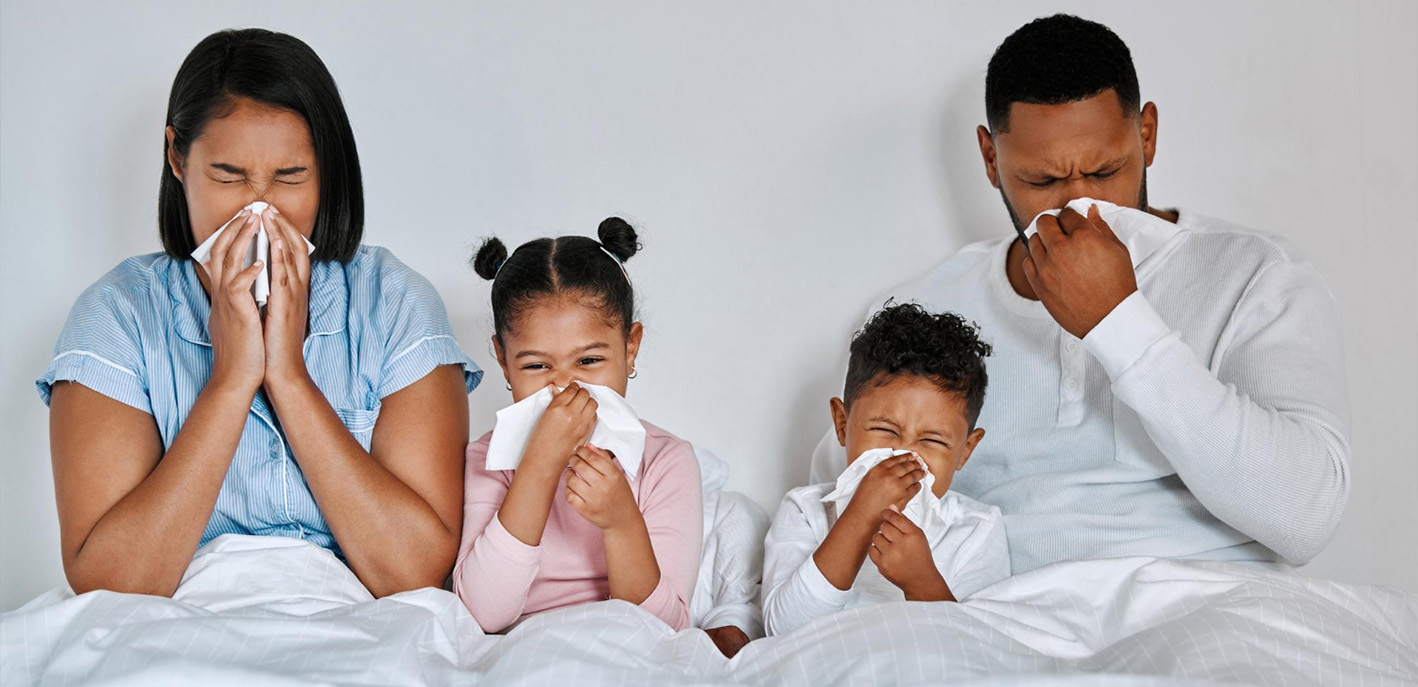
Flu Season Is Here
Protect Your Family
As we move into colder months, cases of flu and other respiratory illnesses begin to increase. Flu spreads easily though coughing, sneezing, and close contact in workplaces, schools and public spaces.
Know the Difference: Cold vs Flu
While the common cold and flu share some symptoms, flu usually comes on more suddenly and can make you feel much more unwell.
Common flu symptoms include:
- Fever
- Headache
- Body aches and muscle pain
- Extreme tiredness
- Cough or sore throat
- Runny or blocked nose
Most people recover within a few days to a week, but flu can be more serious for certain groups.
Who Is Most At Risk?
Flu can affect anyone, but complications a more likely in:
- Children
- Adults over 60
- Pregnant Women
- People with chronic conditions such as asthma, diabetes, or heart disease
If you or your loved ones fall under the group, prevention and early care are especially important.
How To Protect Yourself and Your Family
You can reduce the risk of flu by:
- Washing your hands regularly
- Covering your mouth and nose when coughing or sneezing
- Avoiding close contact with people who are sick
- Cleaning frequently touched surfaces
- Getting enough rest and staying hydrated
- Considering the annual flu vaccination
Action:
Speak to our nurses at the Family Wellness Centre about the flu vaccine and whether it is recommended for you and when best to get it.
Make Vaccination Your First Line of Protection
One of the most effective ways to protect yourself and your family this flu season is by getting annual flu vaccine.
The flu virus changes every year, which is why a yearly vaccination is recommended to provide the most up-to-date protection.
The flu vaccine helps to:
- Reduce your risk of getting seriously ill
- Lower the chance of flu-related complications
- Protect vulnerable family members such as young children and other adults
- Reduce the spread of flu in your workplace and community
Vaccination is especially important if you are at higher risk of complications, including older adults, pregnant women, young children, and those with chronic conditions.
Action:
Speak to our nurses at the Family Wellness Centre about getting your flu vaccine and when it is best to receive it.
Boost Your Immunity This Winter
Eating healthy
Food is one of the best ways to strengthen your immune system. Your body needs vitamins and minerals to fight infections effectively.
Include the following in your daily diet:
- Fruits and vegetables such as oranges, apples, carrots and spinach
- Protein-rich foods like eggs, beans, fish and milk
These foods help your body stay strong, repair itself, and fight illness more effectively.
Move Your Body
Staying active can help reduce your risk of getting sick and improve how your body responds to infections
Even light activity like walking can:
- Boost your immune system
- Improve your mood
- Help your body stay warm during colder months
Stay Hydrated
It’s easy to drink less water in winter, but your body still needs fluids to function properly.
- Drink water regularly throughout the day
- Warm drinks like herbal teas also help
- Include soups and water-rich foods in your meals
Practise Good Hygiene
Hand hygiene remains one of he most effective ways to prevent illness.
Wash or sanitise your hands:
- Before eating
- After coughing, sneezing or blowing your nose
- After being in public spaces
- After using the bathroom
Support Your Mental Well-being
Cold, shorter days can affect your mood and energy levels.
To stay balanced:
- Spend time outdoors during daylight
- Stay active
- Keep a regular sleep routine
- Stay connected with family and friends
Looking after your mental health also supports your overall physical well-being.
You’ve got Flu! Now What?
Managing Mild Flu Symptoms at Home
For mild symptoms, you can usually recover at home with rest and supportive care.
Helpful remedies may include:
- Paracetamol or ibuprofen for fever and body aches
- Decongestants for blocked nose
- Cough syrups or lozenges for sore throat
- Drinking plenty of fluids and getting adequate rest
Always follow medication instructions and consult a pharmacist if you are unsure which medicines are suitable.
When Should You See A Doctor?
Seek medical advice if:
- Your fever lasts longer than three days
- Symptoms become worse instead of improving
- You experience difficulty breathing or chest pain
- A young child is not drinking fluids
- A baby under three months develops a fever
- You have a chronic condition that could increase risk
Early medical advice can help prevent complications.
Check Your Healthcare Benefits
You have access to essential benefits that can support your health during flu season.
These includes:
- GP consultations
- Medication benefits
- Preventative healthcare support
- Advice from healthcare professionals
If you’re unsure, contact our friendly consultants to understand the benefits available to you and your family.
Flu is common during the colder months, but early action can help protect your health and prevent complications.
Don’t wait until you get sick! Protect yourself early this fly season!